

Mental DailyMental Daily
  • Clinical
  • Health
  • I/O
  • Cybernetic
  • Social
  • More
    • Opinion
    • My Bookmarks
Aa
Mental Daily
Aa
  • Clinical
  • Health
  • I/O
  • Cybernetic
  • Social
  • Opinion
Search
  • Clinical
  • Health
  • I/O
  • Cybernetic
  • Social
  • More
    • Opinion
    • My Bookmarks
Follow US
  • Twitter
  • Facebook
  • Instagram
  • Inc. Profile
  • Google Play Store
© 2024 - Mental Daily. All Rights Reserved.
Clinical

Constipation drug may also boost cognition, improving memory and thinking

Staff Writer
Staff Writer 4 years ago
Updated 2021/10/05 at 1:42 AM
Share
SHARE

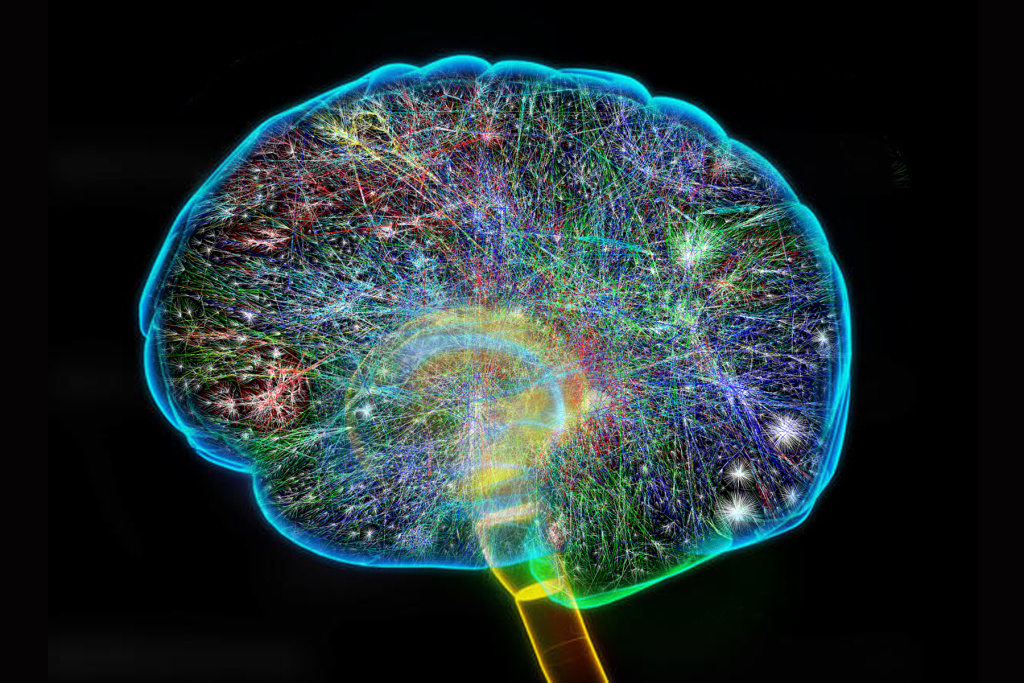
A drug often used to treat constipation may also improve cognition, boosting memory and thinking abilities, according to a new study released in Translational Psychiatry.

Drugs that show potential promise for boosting cognitive function target the 5-HT4 serotonin receptor. In the study, 44 participants aged 18 to 36 took part, with 23 given prucalopride and the remaining a placebo.

During their administration of either treatment, fMRI brain imaging was conducted and images were shown to the participants, with subsequent memory tests initiated.

“We tested whether short-term administration of the 5-HT4 partial agonist, prucalopride, modified behavioural and neural (fMRI) memory processing in 44 healthy human volunteers using an experimental medicine model,” the study’s authors explained in their journal release.

“We found that participants who had received six days of prucalopride treatment were significantly better at recalling previously seen neutral images and distinguishing them from new images,” the journal article states.

“At a neural level, prucalopride bilaterally increased hippocampal activity and activity in the right angular gyrus compared with placebo.”

The results of the study suggest that 5-HT4-receptor activation may improve cognition in humans, with the potential as a treatment target.


You Might Also Like

Study explores victim-blaming, manipulation, and denial as tactics used by terrorists

Study finds people change their mind about conspiracy theories but not often

Study finds majority of prisoners receive no visitors, possibly affecting recidivism

Dementia risk factors differ by ethnicity, according to new research

Researchers investigate how endocannabinoids regulate the brain’s stress response

TAGGED: 5-HT4, prucalopride, cognition, memory
Staff Writer October 4, 2021
Share this Article
Facebook Twitter Whatsapp Whatsapp Email Print
Previous Article Research shows Republican-led states re-opened earlier during the pandemic
Next Article Regular exercise and less electronic device use improves mental health in children during pandemic

Recommended

Clinical

Study explores victim-blaming, manipulation, and denial as tactics used by terrorists

1 Min Read
Social

Study finds people change their mind about conspiracy theories but not often

2 Min Read
Clinical

Study finds majority of prisoners receive no visitors, possibly affecting recidivism

2 Min Read
Clinical

Dementia risk factors differ by ethnicity, according to new research

2 Min Read
//

We are a trusted online source for research news and resources on all aspects of the mind and human behavior.

Verticals

  • Clinical
  • Health
  • Social
  • I/O
  • Opinion

Social

  • Twitter
  • Facebook
  • Instagram
  • Inc. Profile
  • Google Play Store

Links

  • About
  • Contact
  • The Editor
  • Terms & Conditions
  • Privacy Policy
  • Mental Health
Follow US

© 2024 Mental Daily. All Rights Reserved.

  • Twitter
  • Facebook
  • Instagram
  • Inc. Profile
  • Google Play Store

Removed from reading list

Undo
Welcome Back!

Sign in to your account

Lost your password?